





FILTERS
Availability
Price
Filters
Select Availability
Select Price


Sort By
Sort By
Watch & Buy
Frequently Asked Questions
Yes, all of it. We buy directly from small producers in the state, so we can point you to where each was grown or made. Two of them, the kala jeera and the chulli oil, even carry an official GI tag from the Himachal government, which ties the name to the place by law.
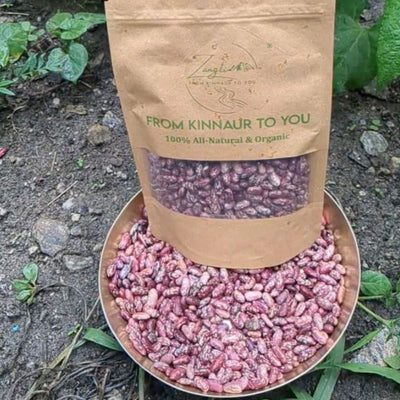
A lot of it only happens once a year. Kinnauri rajma gets one harvest. The fiddlehead fern is around for a few weeks each spring, and then it's gone. Fruits get picked and cooked down fresh, by hand, in small batches. None of that is quick or cheap to do right.
Keep rajma and kala jeera sealed and out of the light. Refrigerate jams and preserves once opened and finish them within a few weeks. Honey and apricot kernel oil are fine at room temperature. If the honey turns pale and thick, that's normal; nothing's wrong with it.
The lemon curd contains egg, and it's marked that way on its own product page. The habanero hot sauce is genuinely spicy, so start with a little. Everything else is straightforward, but the ingredients are honestly listed on each product page for a proper look.
The tested ones carry their reports on the page. For the rest, we know who made it and where, and we buy from people we've actually dealt with, not anonymous suppliers. Traceability is the thing we can promise even when a lab report isn't.
We source from small producers across Himachal, and keep their names on the product because they earned it with years of doing it well. Each one has their own story with what they make, and putting their names first is how we like to do it.
Soak the rajma overnight, then cook it slowly with onion, tomato, and spices until the beans are soft enough to crush with your spoon. Let the gravy thicken around them. The beans turn creamy, soak up all that masala, and taste especially good with a bowl of hot rice.
