

Ladakh, where the cold teaches patience

(23 products)

Ladakh, where the cold teaches patience

(23 products)

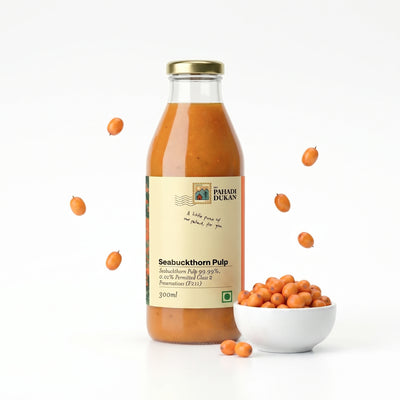
Ladakh sits at the high, dry top of the country, where the air thins out, and the rain barely comes. Here, almost nothing grows without a fight - and what does grow, grows small and intense. Which brings us to sea buckthorn, the orange berry these mountains are known for. Fair warning - on its own, it's fiercely sour.

FILTERS

Availability

Price

₹0 ₹5000

Filters

Select Availability

Select Price
₹0 ₹5000

Sort By

Sort By

Ladakh gets barely 100 mm of rain a year, and only a short summer to grow anything before the cold closes in. One crop, and then it's done. 

Fruit with that little time doesn't come out watery or mild. It stays small, and keeps everything it has inside. That's what makes the fruit so sweet, and the berry so sharp.

There is also a reason why none of this is as cheap as the supermarket kind. 

One harvest, picked slowly by hand, and a long road down the mountains after. We'd sooner say that plainly than print "premium" on a label and hope you don't ask.

Here's what comes off these mountains.

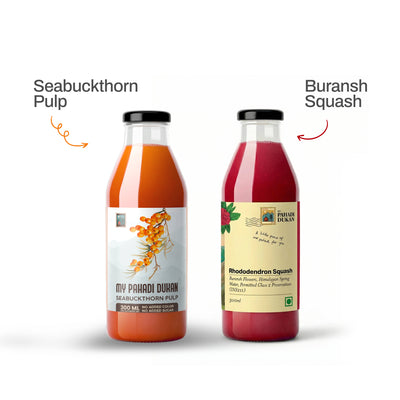
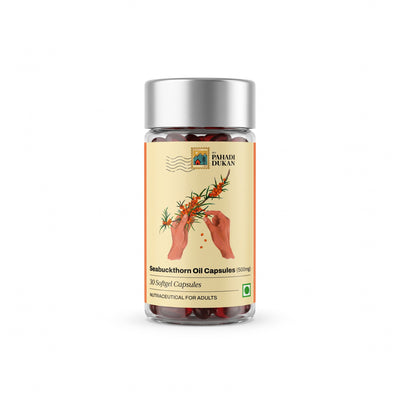
Sea buckthorn - Grows wild and unsprayed along the Indus. Nine out of every ten sea buckthorn berries in India come from Ladakh, and the whole crop is picked off thorn bushes over about three weeks each September. GI-tagged since 2023.

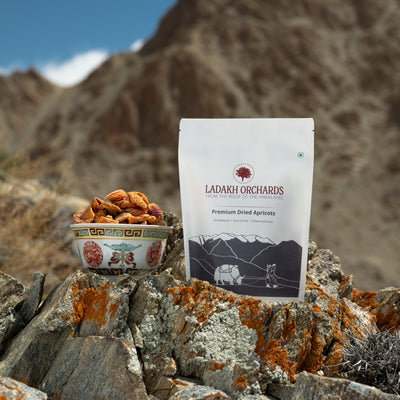
Apricots - More than 30 varieties grow here. The pick is Raktsey Karpo, GI-tagged since 2022 and measured at 37.9° Brix by the DRDO institute in Leh, the sweetest on record.

Barley & buckwheat - Naked barley roasted into tsampa, buckwheat milled by water. Winter food for when the road's shut, not a wellness-aisle grain.

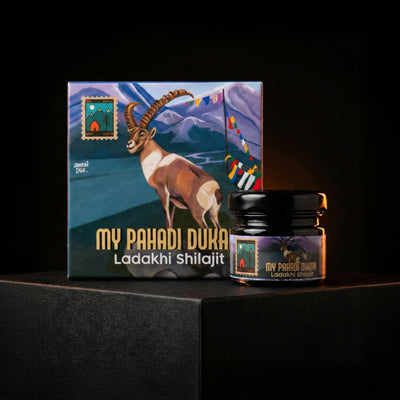
Shilajit is not a plant and is not farmed. It seeps from high rock and is collected by hand, which is why claims of "organic shilajit" should make you suspicious.

Some of what's here we make and test ourselves, with the reports on the product pages. The rest comes from Ladakhi families we buy from directly - with the name and place it came from.

We came here because Himanshu, one of our founders, worked in Ladakh with Sonam Wangchuk. It was never a business plan, just a place we already knew.

Watch & Buy

Frequently Asked Questions

Yes. Ladakh sea buckthorn and Raktsey Karpo apricots both carry government GI tags - sea buckthorn since 2023, the apricot since 2022 - which is a legal confirmation of origin. Everything else on this page, we trace to the source and can tell you where in Ladakh it came from.

Some are. What we make ourselves is lab-tested, with the reports on the product pages. Small-producer items aren't, but we always name the source.

One harvest a year, a short season, a long road down. The real thing costs more, and we'd rather say so plainly.

The climate. Barely 100 mm of rain a year and a summer of four or five months mean fruit grows small and concentrated rather than watery - sweeter and sharper than most. Ladakh is a cold desert at around 3,500 metres, watered by glacier melt rather than monsoon, and gets one crop a year.

Keep dried fruit and grain cool, dry, and sealed. Refrigerate sea buckthorn juice once opened. Shilajit softens in warmth - that's normal, and not a sign anything's wrong with it.

From a listing alone, usually you can't - which is the actual problem with this category. Shilajit isn't grown or farmed; it seeps out of high rock in the summer heat and is collected by hand, so there's no crop, no field, and no certificate to point at. Ours comes from high rock in the Ladakh region and is purified traditionally, and we'll tell you the source if you ask.