





FILTERS
Availability
Price
Filters
Select Availability
Select Price


































Sort By
Sort By
Watch & Buy
Frequently Asked Questions
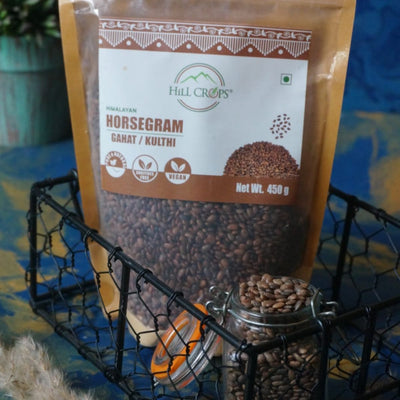
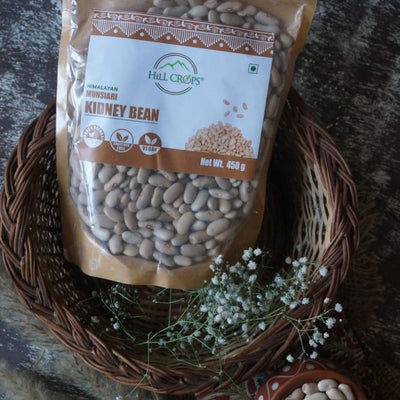
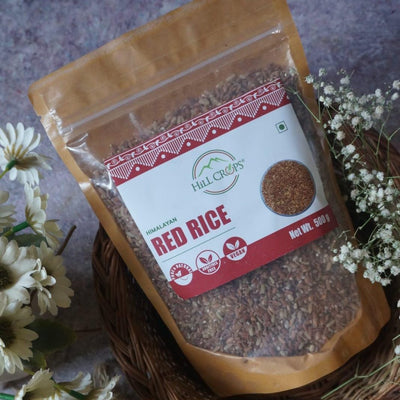
Yes. The rajma, gahat, black soybean, red rice, buransh, ghee, teas, and spices all come from these hills. Every product keeps the name of the maker who made it, and the product page tells you exactly where it came from.
Because most of this is grown high up, in small amounts, and picked by hand. Munsyari rajma gets one harvest a year. Buransh flowers for a few weeks, then it's gone. Badri ghee comes from a hill cow that gives one to two litres of milk a day, whereas a regular cow gives twenty.
The ones we make ourselves are, with the report on the product page. The rest come from small producers, SHGs, and hill businesses, and formal lab testing isn't something most of them can run in-house. What we can always tell you is exactly who made it and where they made it.
A Geographical Indication tag is the government tying a product's name to the place it comes from, by law. Munsyari white rajma, Uttarakhand red rice, gahat, black soybean, and buransh all carry one.
Rich, grainy, and more aromatic than regular ghee, with a faint sweetness from the milk itself. The A2 fat gives it a deeper, slightly nutty finish - less greasy, more full-bodied.
Kumaon is the eastern half of Uttarakhand, Garhwal the western. Both run from warm low valleys up to cold high ridges, so both grow a similar spread: fruit and rice lower down, rajma and wildflowers higher up. We buy from specific pockets within each, and the product page tells you which one a thing came from.
Keep the rajma, gahat, soybean, and red rice sealed, dry, and out of direct light, and they'll hold for months. Teas and spices do best in a cool, airtight jar away from the sun. Ghee is fine at room temperature.
No, and we'll be honest about it. These are traditional hill foods and wellness products, not medicine. They've been part of Uttarakhand's kitchens for generations, but they aren't clinically proven to diagnose, treat, or cure anything. If you're pregnant, on medication, or managing a condition, read the label warnings and check with your doctor before adding something new.
